Tower Mahjong
84 boards · free, no download.
84 boards · free, no download.
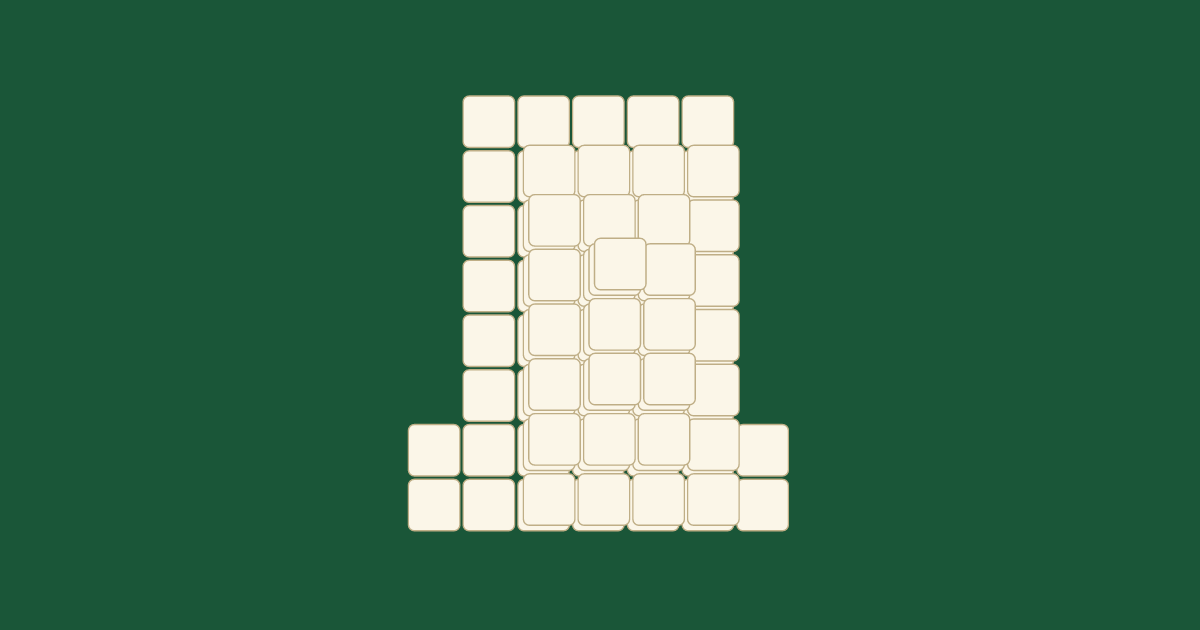
Play Tower Mahjong free online — instant in your browser, no download, no sign-up. Tower Mahjong takes the familiar matching game and stands it on end. Instead of spreading the 144 tiles across a wide table, these boards stack them upward into a tall, dense column, layer upon layer, so the playing field grows in height rather than width. You are still hunting for matching pairs of identical tiles, and a pair can only be removed when both tiles are free, meaning each one has an open left or right edge and nothing resting on top of it. The difference is that on a tower almost everything is resting on something, and the tiles you can actually reach are clustered around the exposed rim of each level. Look at a tower from above and you see a target of concentric rings; look at it from the side and you see a fortress you have to dismantle from the roof down.
That vertical shape is exactly what makes the category so satisfying. Flat layouts let you graze freely from many directions, but a tower funnels your attention to its edges and its crown, turning every move into a small decision about which tiles you are willing to lock away. The appeal is partly visual, those clean stacked tiers look like little monuments of jade, amber, and bamboo, and partly tactical, because the constrained access rewards thinking a few moves ahead in a way sprawling boards rarely demand. This hub gathers the whole family of tower-shaped boards on the site, from the compact starter Tower to the towering Mega Tower and themed variants like Phoenix Tower, Sacred Tower, and Celestial Tower. Every one of them is built to be completed, so the challenge is always about reading the stack, never about luck.
Every Mahjong Solitaire layout is really a three-dimensional sculpture made of tiles, and the shape of that sculpture decides how the game feels. A tower board concentrates the tiles into a tall, tightly packed column with a small footprint. Where a classic Turtle or Dragon spreads outward so that dozens of tiles sit exposed at once, a tower keeps stacking the same modest outline higher and higher. The result is a layout that is short on width and long on height, and that single fact changes everything about how you play it.
On a tower, the only free tiles at any moment are the ones around the perimeter of each layer, the outer ring where an edge pokes out into open space. Anything in the interior of a level is pinned by the tiles above it. As you peel pairs off the rim, the next ring inward becomes reachable, and only after a whole level is cleared does the layer beneath it open up properly. It is a bit like unwrapping something from the outside in and the top down at the same time. That is the heart of the tower experience: you are not scanning a flat field for any old match, you are managing the controlled demolition of a vertical structure.
Because the stack is so dense, position matters far more than on open boards. A tile buried two or three layers deep with capped tiles above it is effectively out of play until you have done the work to expose it. Two tiles of the same design can be sitting just inches apart on the column yet remain unreachable because neither has cleared its ceiling. Reading which tiles are genuinely free, and which only look close, is the core skill the whole category trains.
The golden rule of tower play is to strip the structure one ring at a time, working from the top down. The crown of the tower is your most valuable real estate because the tiles up there are blocking the most material beneath them. Clearing the highest tiles first lifts the ceiling off everything below and steadily widens your pool of available moves. Players who try to win a tower from the bottom almost always stall, because every low match they make tends to leave capped tiles stranded above.
That leads to the single most important habit: resist diving for a tempting match low on the stack if taking it leaves tiles trapped overhead. A pair near the base can be a trap. Removing it might feel like progress, but if it does nothing to free the tiles sitting on top of it, you have spent a move and gained no new access. Before you commit to any low pair, glance upward and ask whether those two tiles are actually unblocking the column or just thinning a layer you cannot yet exploit. The good moves on a tower are the ones that open up the next ring, not the ones that simply happen to be available.
Symmetry is your friend here too. Most towers expose tiles on opposite faces of each ring, which means you frequently get a choice about which side to open. When you have two candidate pairs, prefer the one that unlocks the larger cluster of fresh tiles or that keeps both faces of the tower advancing evenly, so you do not accidentally hollow out one side while leaving the other capped. Keeping the descent balanced all the way around the rim is what prevents a board from quietly painting itself into a corner.
Two safety nets make all of this low-stress. Use Undo freely, because it is the perfect tool for probing a tower. Try opening the left face, see how many pairs it reveals, then undo and test the right face to compare before committing for real. There is no penalty for experimenting, so treat Undo as a planning instrument rather than a mulligan. And if the board ever feels genuinely stuck, Shuffle re-deals the remaining tiles into a fresh arrangement that is still guaranteed solvable, so you can reset the puzzle without abandoning your progress. You will never face an impossible tower.
The collection spans a wide spread of sizes and moods so that the same vertical idea can serve a quick coffee break or a long, absorbing session. At the approachable end, the plain Tower is the natural place to learn the rhythm of top-down play; its column is tall enough to feel like a tower but compact enough that you can hold the whole structure in your head. From there the boards grow in scale and ambition. Mega Tower and Grand Tower push the height and tile count toward the upper limit, stacking so many layers that planning your descent several rings ahead becomes essential rather than optional.
In between sit a generous lineup of themed towers, each a variation on the core shape rather than a different game. Bamboo Tower, Jade Tower, Onyx Tower, Amber Tower, and Silver Tower lean into a material, dressing the same architecture in a particular look and feel. Phoenix Tower, Solar Tower, Celestial Tower, and Sacred Tower reach for something grander and more mythic. Jasmine Tower and Autumn Tower carry a softer, seasonal mood, while Mystic Tower and its sequel Mystic Tower II offer two takes on the same enigmatic idea for players who want a familiar shape with a fresh twist.
Across all of them the underlying promise is identical. Every board uses the full traditional set of 144 tiles, the circles, bamboos, characters, winds, dragons, and the bonus flowers and seasons, and every board has been validated as fully solvable from its opening deal. The variety is in the silhouette and the styling, the number of layers, where the rim sits, how the crown is shaped, not in the rules. That means you can wander from a small Jade Tower to a sprawling Mega Tower and bring all the same instincts with you; only the scale of the challenge changes.
Mahjong Solitaire itself is a relatively modern solitaire game built on the tiles of the centuries-old Chinese game of Mahjong, and it became a computer classic in the 1980s under the name Shanghai, where the original layout was the now-iconic Turtle. Ever since, the single-player tradition has been about reimagining that pile of tiles into ever more inventive shapes. Towers belong to a particular branch of that tradition: the architectural layouts, boards designed to look like built structures rather than animals or symbols.
There is a real pleasure in a layout that resembles a thing you could imagine climbing. A tall stack of tiles reads instantly as a pagoda, a watchtower, or a spire, and that mental image gives the puzzle a sense of place. The themed names lean into it. A Phoenix Tower invites you to picture a mythical bird crowning the summit; a Sacred Tower or Celestial Tower suggests a temple reaching skyward; an Amber or Jade Tower evokes a column carved from a single precious stone. None of this changes the tiles you are matching, but it frames the act of clearing the board as gradually revealing or dismantling a small monument, which is a more evocative job than simply removing pairs.
The shapes are also fun for a purely mechanical reason: verticality creates drama. On a flat board the difficulty is diffuse, spread thinly across a big surface. A tower concentrates it. Every layer you clear visibly lowers the structure, so progress is tangible in a way that open layouts cannot match, and the moment when the last ring of the crown comes off to reveal the level beneath delivers a little jolt of satisfaction. Watching a tall column shrink ring by ring under your own careful planning is the particular reward this category is built to give.
Towers tend to play a notch harder than equivalently sized flat boards, not because the rules are tougher but because the access is tighter. With fewer tiles exposed at any one time, you have fewer matches to choose from, and a careless early move can cost you more, since burying a needed tile under a fresh cap is easy to do and slow to undo through play. That constraint is precisely what fans of the shape enjoy. If you like puzzles that reward looking ahead and punish autopilot, a tower will engage you more than a wide-open board ever could.
Difficulty within the category scales cleanly with size, which makes it easy to find your level. The smaller towers such as the basic Tower or a compact Jade Tower are friendly to newcomers and anyone who wants a calm, low-pressure round; there are not so many layers that the planning becomes heavy. The large ones, Mega Tower, Grand Tower, and the more elaborate themed spires, demand sustained concentration and genuine multi-move foresight, and they reward the patience to earn it. If you are new to towers, start small to internalize the top-down habit, then climb to the bigger structures as your eye for free tiles sharpens.
Above all, these boards suit relaxed, thoughtful players, including the many who come to Mahjong Solitaire to unwind rather than to race. Nothing here is timed or punishing. With unlimited Undo to experiment, a solvability-guaranteed deal, and a Shuffle that always re-deals into another winnable arrangement, the experience stays gentle even when the puzzle gets deep. You bring the patience and the planning; the tower supplies a calm, self-contained challenge that you can always, eventually, take all the way down to the table.
The rules are identical, you match free pairs of the same tile until the board is clear, but the shape changes the game. A tower stacks the tiles into a tall, narrow column instead of spreading them flat, so only the tiles around the rim of each layer are free at any moment. That tight access means position matters much more, and you generally have to clear the structure from the top down rather than grabbing matches from all over.
Begin at the crown and work downward, peeling one ring of tiles off the top of the stack before moving to the layer below. The highest tiles block the most material, so removing them frees the largest number of new tiles. Avoid taking a tempting pair near the base if it leaves tiles capped above it; check what sits overhead before you commit, and favor moves that genuinely open up the next ring rather than ones that just happen to be available.
Every tower board on the site is built and validated to be fully solvable from its opening deal, so a winning sequence always exists. If you do reach a position where no moves remain, that is a sign the available pairs were exhausted in the wrong order, not that the board was impossible. Use Undo to back up and try a different line, and if you want a clean reset, Shuffle re-deals the remaining tiles into another arrangement that is also guaranteed solvable.
Start with the basic Tower or a smaller themed one like Jade Tower or Bamboo Tower. These have enough height to teach the top-down rhythm without overwhelming you with layers, so you can learn to spot which tiles are truly free and which only look close. Once that habit feels natural, move up to the bigger structures such as Grand Tower and Mega Tower, which stack many more levels and reward planning several moves ahead.
Expert · 94 tiles
Hard · 74 tiles
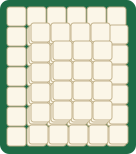
Expert · 104 tiles
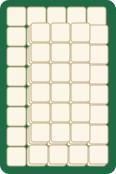
Expert · 86 tiles
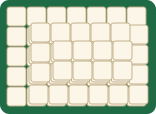
Expert · 82 tiles
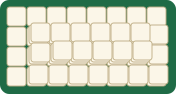
Hard · 70 tiles
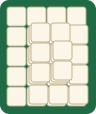
Hard · 40 tiles
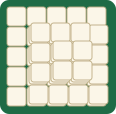
Hard · 54 tiles
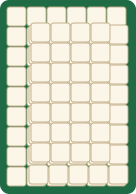
Expert · 122 tiles
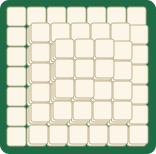
Master · 134 tiles
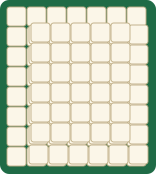
Master · 128 tiles
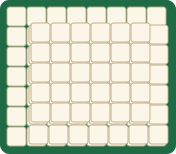
Master · 128 tiles

Medium · 28 tiles
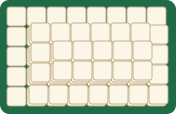
Expert · 96 tiles
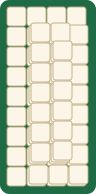
Expert · 80 tiles
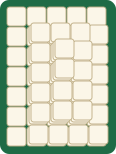
Expert · 84 tiles
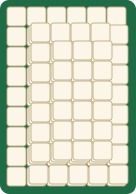
Master · 140 tiles
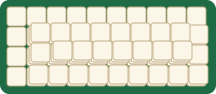
Expert · 90 tiles
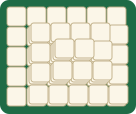
Expert · 70 tiles
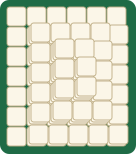
Master · 112 tiles
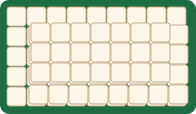
Expert · 98 tiles
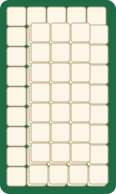
Expert · 98 tiles
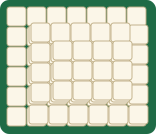
Expert · 104 tiles
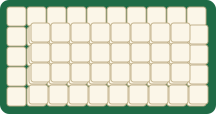
Expert · 110 tiles
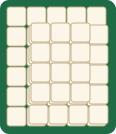
Hard · 62 tiles
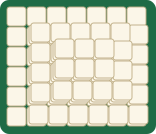
Master · 110 tiles
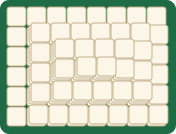
Master · 132 tiles
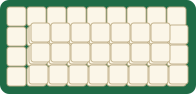
Hard · 74 tiles
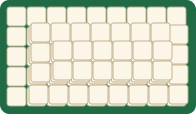
Expert · 110 tiles
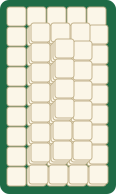
Master · 114 tiles
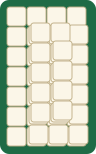
Hard · 60 tiles
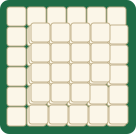
Hard · 76 tiles
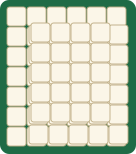
Expert · 92 tiles
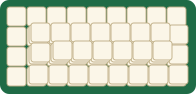
Expert · 80 tiles
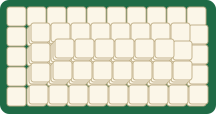
Master · 130 tiles
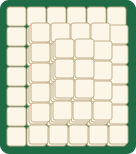
Master · 110 tiles
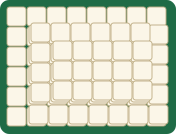
Master · 122 tiles
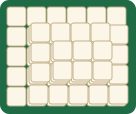
Hard · 68 tiles
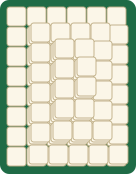
Master · 132 tiles

Medium · 30 tiles
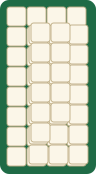
Hard · 64 tiles
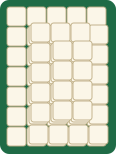
Expert · 82 tiles
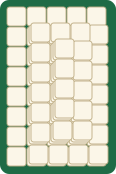
Master · 100 tiles
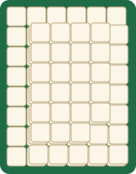
Expert · 106 tiles
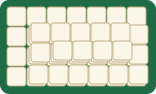
Hard · 60 tiles
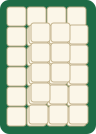
Medium · 46 tiles
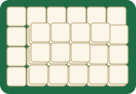
Medium · 46 tiles
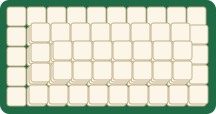
Master · 124 tiles
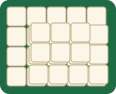
Medium · 38 tiles
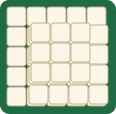
Hard · 50 tiles
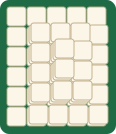
Expert · 70 tiles
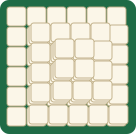
Expert · 90 tiles
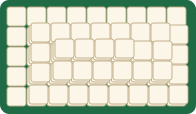
Master · 114 tiles
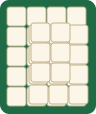
Medium · 38 tiles
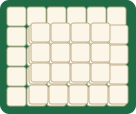
Hard · 62 tiles
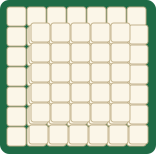
Expert · 110 tiles
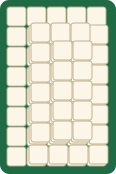
Expert · 96 tiles
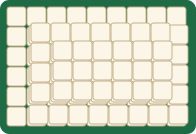
Master · 140 tiles
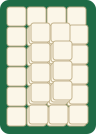
Hard · 50 tiles
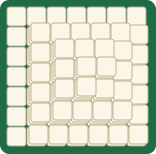
Master · 138 tiles
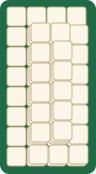
Hard · 70 tiles
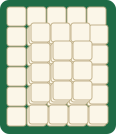
Hard · 68 tiles
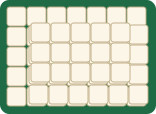
Hard · 74 tiles
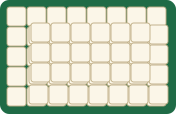
Expert · 86 tiles
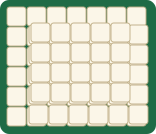
Expert · 92 tiles
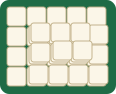
Hard · 40 tiles
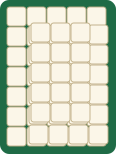
Hard · 74 tiles
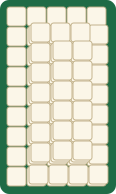
Expert · 110 tiles
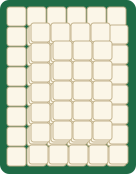
Master · 122 tiles
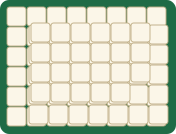
Expert · 106 tiles
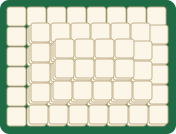
Master · 130 tiles
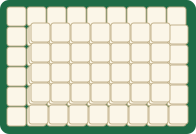
Expert · 122 tiles
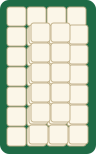
Hard · 56 tiles
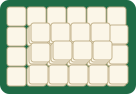
Hard · 50 tiles
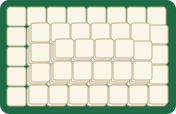
Master · 100 tiles
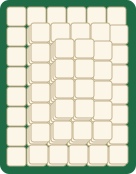
Master · 130 tiles
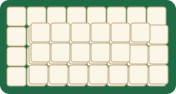
Hard · 64 tiles
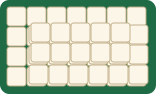
Hard · 56 tiles
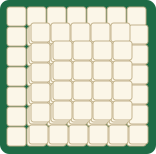
Master · 126 tiles
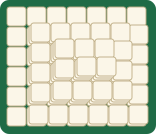
Master · 112 tiles
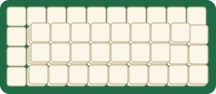
Hard · 82 tiles
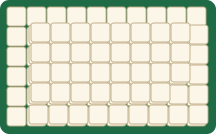
Master · 136 tiles
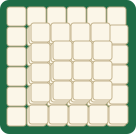
Expert · 86 tiles
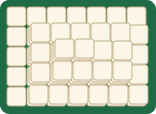
Expert · 84 tiles
Pyramid Mahjong Solitaire · Twin Towers Mahjong · Bridge Mahjong · Cross Mahjong · Diamond Mahjong · Fortress Mahjong · Zodiac Mahjong · Animal Mahjong · Object Mahjong · Food Mahjong · Holiday Mahjong · Symbol Mahjong · Nature Mahjong · Geometric Mahjong · Easy Mahjong Solitaire · Hard Mahjong Solitaire · Christmas Mahjong · Ocean Mahjong
From the same team — more games, free to play online.