Food Mahjong
23 boards · free, no download.
23 boards · free, no download.
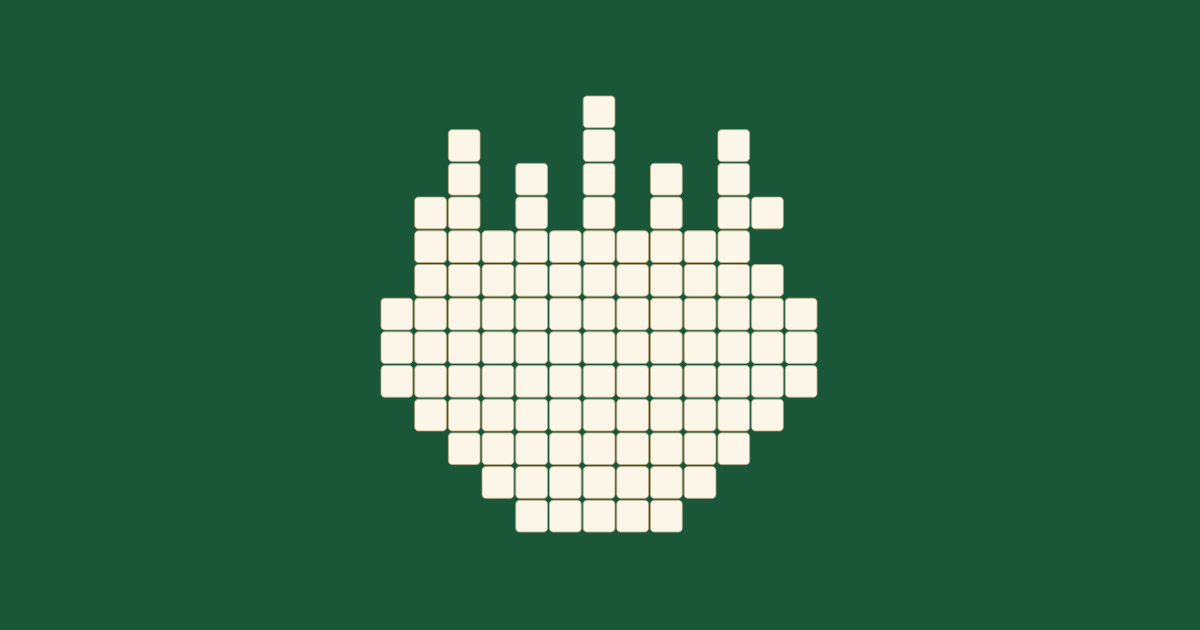
Play Food Mahjong free online — every board loads instantly in your browser, nothing to install. Food Mahjong gathers every board in our collection that is built in the silhouette of something you would happily eat. Instead of the symmetrical pyramids and abstract grids that most Mahjong Solitaire uses, these layouts arrange their 144 tiles into a glazed donut, a dripping ice cream cone, a wedge of watermelon, a hanging bunch of grapes, a candy cane with its red-and-white hook, and a dozen more treats and snacks. The rules underneath are the same classic matching you already know, but the picture you are clearing is a piece of food, so the order in which tiles open up follows the contour of that food rather than a straight staircase. It is one of the most approachable and immediately recognizable corners of the whole game, because nobody needs the shape explained: you look at the board, you see a pineapple or a pretzel, and you start matching.
The appeal is partly visual and partly the gentle pleasure of watching a familiar object dissolve pair by pair. A watermelon slice empties from its crescent rind first and leaves the seeds for last; a cone unstacks from the wafer point upward until the scoop melts away; a lollipop loses its stick before the swirl on top finally clears. For relaxed players who want the calm, click-and-match rhythm of Mahjong without a steep learning curve, the food boards are an easy and cheerful place to spend twenty minutes. Every layout here is guaranteed solvable from the deal, the Shuffle button always re-deals into another winnable arrangement, and the bonus flowers and seasons are paired correctly, so you can settle in knowing the only thing standing between you and an empty plate is reading the shape well.
Food Mahjong is not a different game with new rules. It is classic Mahjong Solitaire, also called Shanghai or turtle Mahjong, presented on boards whose footprint has been sculpted to look like food. Every board still uses the standard 144-tile set: the three suits of Circles, Bamboo, and Characters running one through nine in four copies each, plus the honor tiles, the four Winds and three Dragons, and finally the eight bonus tiles, the four Flowers and four Seasons. Nothing about the tiles changes from board to board. What changes is the layered map those tiles are stacked on, and in this category that map traces the outline of a snack.
Because the silhouette is the food and not a tidy rectangle, the playing field has personality. A donut has a literal hole in the middle, so there is no center column to anchor your eye. A bunch of grapes is really a cluster of little rounded lobes, each one a small self-contained knot of tiles. A fish bone is mostly long thin ribs branching off a spine, which means most of the board is narrow rather than thick. These shapes determine which tiles are free and which are buried, and that is the whole strategic puzzle.
A tile is free, and therefore matchable, when it has no tile resting on top of it and at least one of its left or right long edges is open. Two free tiles that show the same face can be removed together: any Circle 5 pairs with any other Circle 5, the Red Dragon pairs with the other Red Dragon, and so on. The Flowers form one matchable group among themselves and the Seasons form another, so any Flower clears with any other Flower and any Season with any other Season even though their faces differ. Clear all 72 pairs and the dish is empty. The food shape simply decides the geography of which pairs you can reach and when.
The single most useful habit on these boards is to read the food before you touch a tile. Ask where the thin parts are, where the thick stacks are, and where the natural open edges sit, because the answer tells you the draining order the designer baked in. The seed rule of thumb holds up remarkably well: round foods tend to clear from the rim inward, and tall foods clear from the narrow end first. A watermelon, a pizza slice, or a donut opens along its outer curve and works toward the middle; a cone, a bottle-shaped popsicle, a carrot, or a candy cane opens at the skinny tip and frees up the bulk last.
Knowing that, your job early on is to harvest the edges without sealing off the interior. The tiles around the outline of any food are almost all free at the start, which is tempting, but clearing edge tiles at random can strand the few that were propping open a path inward. Before you take an easy outer pair, glance at what sits one layer deeper and ask whether removing this tile keeps a route open or closes one. On a donut, for instance, both the outer rim and the inner rim of the hole give you open edges, so you can attack from two directions at once, which is a real advantage if you use it deliberately rather than greedily.
Matching in fours is the quiet skill that wins long boards. When all four copies of a tile are currently exposed, clearing all four at once removes a dead end with no downside. But when only two of the four are showing and the other two are buried under different parts of the food, pause: removing the visible pair might be the only thing that frees the deeper structure, or it might waste the match you will desperately want later to dig out a stack. On the thick parts of these shapes, the pineapple body or the bulb of a lollipop, prefer matches that physically peel a layer off the top so the board keeps opening up.
Use your safety nets without guilt, because this category is built to be enjoyed rather than to punish you. The Hint button surfaces an available pair when you genuinely cannot find one, and on a busy shape like a pretzel that is easy to miss a legal move that is sitting right in front of you. Undo lets you walk back a match you regret, which matters on these boards because a single early edge tile can be the difference between an open path and a stall. And if the layout has tangled into a position you do not like, Shuffle re-deals the remaining tiles into a fresh arrangement that is still solvable, so a reshuffle is a genuine reset and never a trap.
The food hub is deliberately varied so that no two sittings feel the same, and the boards split naturally into a few families. The round and curved treats are the gentlest introduction: the Donut with its open center, the Watermelon Slice with its crescent of rind and field of seeds, the Strawberry tapering to a point under its leafy cap, the Cherries hanging as two linked spheres, and the Pizza Slice fanning out from a narrow crust corner to a wide topping edge. These open generously from the outline and rarely leave you stuck, which makes them ideal for warming up or for a low-stress session.
The tall and slender foods are where the narrow-end-first instinct earns its keep. The Ice Cream Cone unstacks from the wafer point upward, the Popsicle and Lollipop both free their sticks before the head, the Carrot pulls apart from its pointed tip toward the leafy crown, and the Candy Cane runs along a long bending column before the hook. Because so much of each board is only a tile or two wide, your matches travel along a line, and the satisfaction is watching the food shrink lengthwise like a melting treat.
Then there are the characterful and irregular shapes that give the category its sense of fun: the Pineapple with its crosshatched body and spiky crown, the Pretzel with its looping knotted arms, the Bunch Of Grapes built from many small rounded clusters, the Gingerbread Man with his stubby outstretched limbs, the Chili Pepper curving to a tail, and the Fish Bone splayed out as a spine with ribs. These have the most personality and the most varied internal structure, so they reward the read-first habit more than the simple round treats do. Across all of them the tile count and rules are identical, which means once you are comfortable on one food you can sit down at any other and already understand it; only the geography in front of you is new.
Picture-shaped Mahjong is a long tradition. Almost everyone meets the game first as the classic turtle, a fat layered mound that vaguely resembles a tortoise shell, and from there layout designers have spent decades bending the 144-tile set into animals, letters, holiday symbols, and objects of every kind. Food is one of the most natural subjects to pick, because snacks and fruit are universally recognizable, they read clearly even in a chunky tile silhouette, and they carry a cheerful, low-stakes mood that fits the unhurried pace of solitaire. You do not have to know anything about food to enjoy these, but the friendly familiarity of a donut or an ice cream cone makes the board feel inviting before you have matched a single pair.
What makes the shapes genuinely fun to play, rather than just nice to look at, is that the food guides the puzzle in a way you can feel. On an abstract pyramid the layers are uniform and one corner plays much like another. A piece of food has a thin end and a thick end, an inside and an outside, a stick and a head, and those features create real differences in how tiles open up. Clearing the seeds out of a watermelon, peeling the spiky top off a pineapple, or unwinding the loops of a pretzel each feels distinct because the structure genuinely differs. The theme is not just paint over a standard grid; it shapes the order of play and gives every board a little story as it empties.
There is also a quiet pleasure in the disappearance itself. Because the silhouette is something you recognize, watching it come apart is more satisfying than watching an anonymous block shrink. The cone melts down to nothing, the candy cane loses its hook, the gingerbread man clears limb by limb until the plate is bare. That sense of finishing a treat, of an empty plate at the end, is a small reward the food theme delivers that a plain geometric board simply cannot.
As a group, the food boards sit comfortably in the easy-to-moderate range of Mahjong Solitaire, which is exactly why they are such a welcoming place to play. The round and curved treats are the most forgiving, opening up freely from their outlines so that beginners and relaxed players rarely hit a wall. The tall and irregular shapes ask for a little more attention, mostly because their narrow sections and tucked-away clusters make it easier to overlook a free pair or to clear an edge tile too soon, but none of them demand expert technique. There is no clock pressure and no penalty for thinking, so the difficulty is about reading the shape patiently rather than about speed or reflexes.
These boards suit casual and older players especially well. The matching is simple, the shapes are instantly legible, the tiles are large and clear, and the whole experience is calm by design. If you enjoy a quiet game with a cup of tea, somewhere to rest your attention without stress, the food category is built for exactly that. The cheerful subject matter keeps it light, and the generous shapes mean you will finish far more boards than you abandon.
More experienced players still find something to enjoy here, just in a different register. The fun for a seasoned solver is in playing efficiently, reading the draining order at a glance, matching in fours wherever it is safe, and clearing a pretzel or a bunch of grapes cleanly without ever reaching for Hint or Shuffle. Because every board is solvable from the deal and every reshuffle re-deals into another winnable position, a confident player can treat each food as a small optimization problem: not whether it can be solved, but how smoothly. Whichever camp you fall into, the promise is the same on every board in this hub, a fair, finishable, good-looking puzzle shaped like something tasty.
Yes. Every board in the food category is generated and checked so that a complete solution exists from the moment it is dealt. You will never be handed a layout that is impossible to finish. If you do reach a dead end, that is a result of the order you cleared tiles in rather than a flaw in the deal, and you can use Undo to step back or Shuffle to re-deal the remaining tiles into a fresh, still-solvable arrangement.
It is a quick guide to where a board opens up first. Round foods like the donut, watermelon slice, and pizza slice tend to free their tiles along the outer rim and work inward toward the center, so you clear the edge and push toward the middle. Tall foods like the ice cream cone, popsicle, carrot, and candy cane free up from the narrow end first, so the skinny tip or stick comes apart before the thick part. Reading which kind of food you are looking at tells you which direction to attack.
Yes, exactly as in standard Mahjong Solitaire. The four Flower tiles all match one another even though their pictures differ, and the four Season tiles all match one another the same way. They are paired correctly on every food board, so any free Flower can be cleared with any other free Flower, and any free Season with any other free Season. They behave as two special groups rather than needing an identical-face match.
Start with one of the round or curved treats, such as the Donut, the Watermelon Slice, the Strawberry, or the Pizza Slice. These open generously from their outlines and rarely leave you stuck, so they are the most forgiving way to get comfortable with reading a food-shaped board. Once the matching rhythm feels natural, move on to the tall shapes like the Ice Cream Cone and Candy Cane, and then to the more intricate ones like the Pretzel, Pineapple, and Bunch Of Grapes.
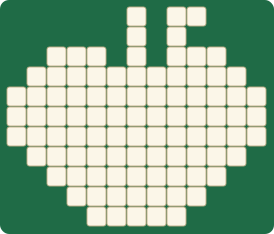
Medium · 94 tiles
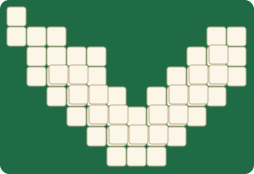
Medium · 60 tiles
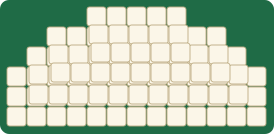
Medium · 114 tiles
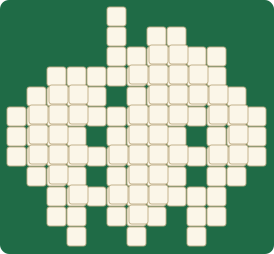
Expert · 136 tiles
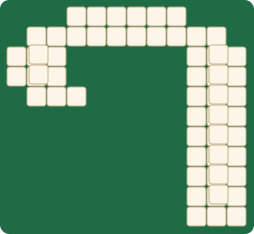
Medium · 62 tiles
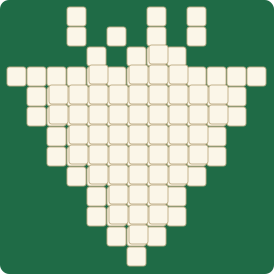
Hard · 134 tiles
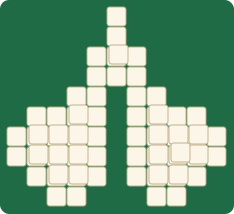
Hard · 72 tiles
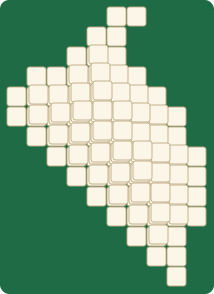
Hard · 144 tiles
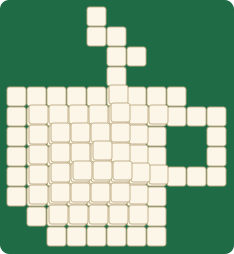
Hard · 136 tiles
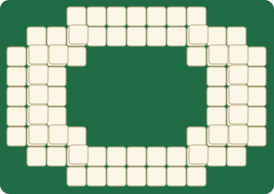
Medium · 88 tiles
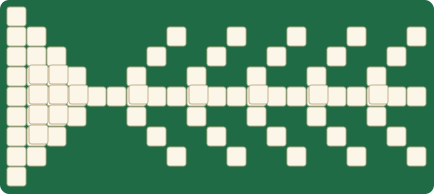
Hard · 84 tiles
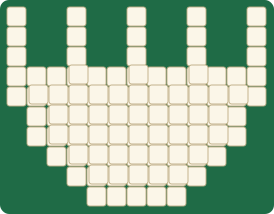
Hard · 128 tiles
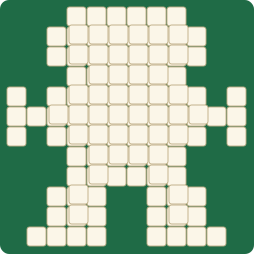
Hard · 138 tiles
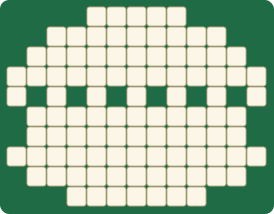
Hard · 98 tiles
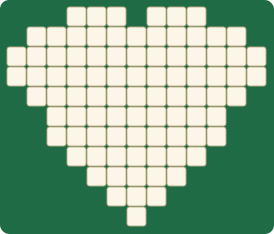
Medium · 88 tiles
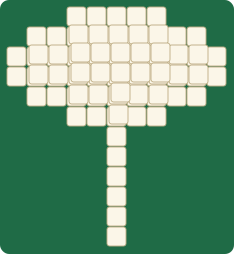
Medium · 96 tiles
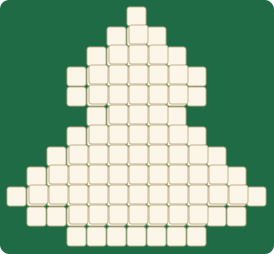
Medium · 142 tiles

Hard · 108 tiles
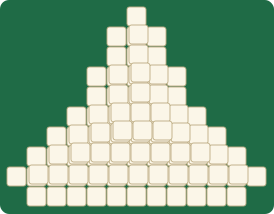
Medium · 128 tiles
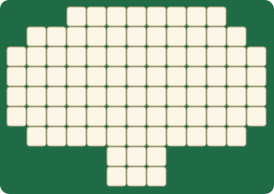
Medium · 88 tiles
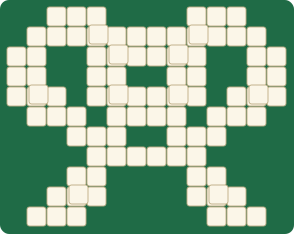
Expert · 96 tiles
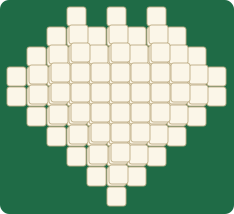
Hard · 136 tiles
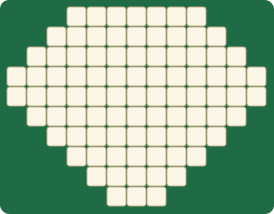
Medium · 88 tiles
Pyramid Mahjong Solitaire · Tower Mahjong · Twin Towers Mahjong · Bridge Mahjong · Cross Mahjong · Diamond Mahjong · Fortress Mahjong · Zodiac Mahjong · Animal Mahjong · Object Mahjong · Holiday Mahjong · Symbol Mahjong · Nature Mahjong · Geometric Mahjong · Easy Mahjong Solitaire · Hard Mahjong Solitaire · Christmas Mahjong · Ocean Mahjong
From the same team — more games, free to play online.